The boardroom is gathered, the budget is signed, and the ambition is high. You’re ready for the ‘Big Bang’ – the total transformation that will take your business from legacy chaos to streamlined, Cloud-driven perfection in one giant leap.
But is that the most dangerous way to handle an ERP project?
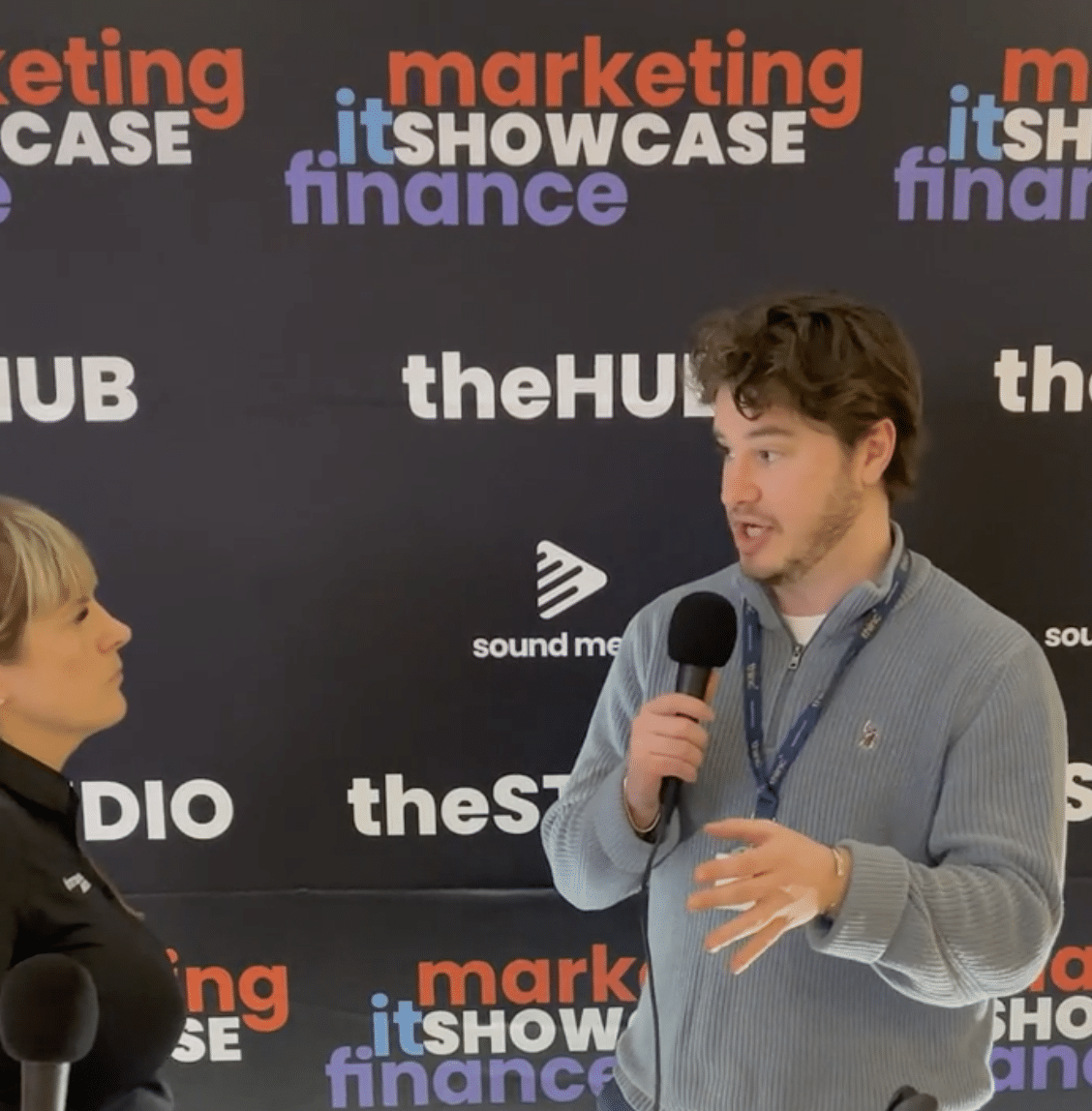
In a recent episode of the itSHOWCASE Podcast recorded at our Twickenham event last week, Alistair Sloan, Marketing Executive at Thinc, sat down to discuss a philosophy that is gaining massive traction among successful UK SMEs: ‘Eat the Elephant.’
The core of the discussion centered on a provocative question: Is it actually harder to manage a series of ‘Stage Changes’ than one single, sweeping transformation?
The allure of the ‘Big Bang’
Total transformation is a seductive idea. It promises a clean break from the past. You switch off the old system on Friday, and on Monday morning, the entire business is running on a new, unified platform.
The Risk: For most mid-market businesses, the “Big Bang” is where projects go to die. It places an enormous amount of stress on your data, your processes, and, most importantly, your people. When you try to swallow the elephant whole, the risk of “indigestion”—in the form of downtime and employee pushback – is astronomical.
The logic of the ‘stage change’
Alistair and the team at Thinc argue for a different approach: de-risking the project by breaking it down into manageable, ‘bite-sized stages.
- The Theory: Instead of fixing everything at once, you identify the single biggest “pain point” (perhaps it’s your warehouse management or your month-end reporting) and fix that first.
- The Reality: Critics often argue that a staged approach is “harder” because it requires maintaining integrations between the new tech and the old legacy systems for longer. It feels like you’re living in a construction site for months instead of weeks
Why ‘stage change’ wins in 2026
Despite the logistical juggle of keeping two systems talking to each other, the staged approach is becoming the gold standard for de-risking ERP. Here’s why:
- Proof of Concept: By delivering a “win” in one department, you build internal buy-in. It’s much easier to sell a total transformation to the rest of the company when they’ve seen the Finance team stop crying over spreadsheets.
- Financial Justification: As Alistair noted on the podcast, it is far easier to justify incremental investment when you can point to incremental ROI.
- Operational Continuity: A stage change allows the business to keep breathing. You aren’t asking every single employee to learn a new language on the same Monday morning.
The verdict
Whether you choose the ‘Big Bang’ or the ‘Bite-Sized’ approach depends entirely on your risk appetite and your team’s capacity for change.
However, as Alistair highlighted at Twickenham, the most successful implementations are those that acknowledge the human element. Tech is the easy part; changing how people work is the hard part. Spreading that change over time isn’t just a technical strategy – it’s a psychological one.
Hear the Full Conversation
Want to hear more about how to de-risk your next software move? You can catch the full interview with Alistair Sloan on the itSHOWCASE Podcast, where he digs deeper into the ‘Eat the Elephant’ methodology and how Thinc helps finance leaders get off the manual treadmill.
Listen and suscribe to the Podcast on theHub here
Planning your own transformation? Join us at our next ERP Discovery Day to meet the experts who can help you map out your first ‘bite.’ Register for your free tickets here.