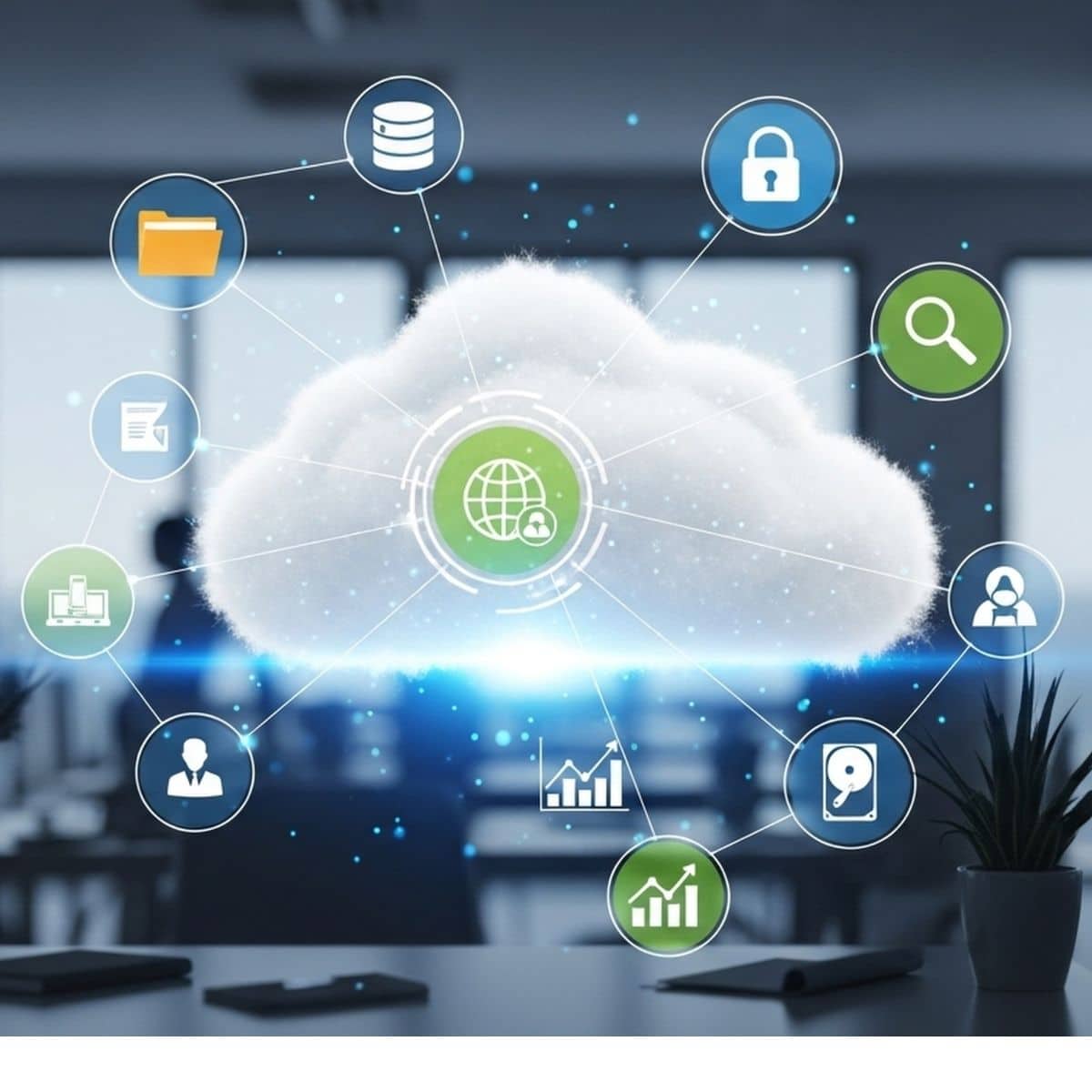
Yes, cloud-based ERP systems are rapidly becoming the norm for businesses of all sizes. While on-premises solutions were once the standard, the shift to the cloud has accelerated significantly due to a variety of operational advantages and changing business needs, such as hybrid work environments.
The shift to Cloud ERP
What does the market say?
The trend clearly indicates a strong movement away from traditional on-premises ERP systems. These are the stats going forward to 2026:
Market share shift:
Cloud ERP systems are projected to surpass on-premises solutions in market share, growing from 42% in 2023 to 52% by 2027.
Rapid growth:
Cloud services are growing at a Compound Annual Growth Rate (CAGR) of 15%, which is significantly faster than the 4% growth rate for on-premises solutions.
Increased dissatisfaction with on-premises:
Satisfaction with on-premises systems has dropped considerably, from 70% of organisations in 2021 to just 38% in 2024, as these legacy systems struggle to meet modern demands for agility and integration.
Vendor focus:
Nearly every major ERP vendor, including SAP, Oracle, and Microsoft, now offers cloud deployment options, and some have completely transitioned away from on-premises offerings.
What are the key drivers for Cloud adoption?
The widespread adoption of cloud ERP is driven by numerous benefits:
Lower upfront costs: Cloud ERP typically uses a subscription model (SaaS), eliminating large initial capital expenditures for hardware and infrastructure required by on-premises systems.
Scalability and flexibility: Cloud solutions can be scaled up or down easily to meet evolving business needs, making them ideal for growing companies.
Remote accessibility: The web-based nature of cloud ERP supports modern hybrid and remote work models, allowing access from anywhere at any time with an internet connection.
Automatic updates and maintenance: Vendors handle maintenance, updates, and security, reducing the burden on in-house IT teams.
Enhanced security: Reputable cloud providers invest heavily in enterprise-grade security measures and data protection, often surpassing the capabilities of individual companies.
Access to innovation: Cloud platforms provide continuous access to the latest technologies, such as AI and machine learning, ensuring businesses remain competitive.
While some larger enterprises with unique customisation or strict data control needs may still use on-premises or hybrid models, cloud ERP is widely considered a future-ready, proven solution for most businesses seeking efficiency, agility, and long-term sustainability.
Learn more about ERP systems at our last event of the year, itSHOWCASE Manchester, 2nd December, Old Trafford Stadium. Register for FREE today at https://itshowcase.co.uk/events/Manchester-autumn/